AI-Powered Housekeeping Quality Check: From Checklists to Computer Vision
Hotels have long relied on manual inspection to guarantee room quality. AI and computer vision now bring measurable, auditable standards to housekeeping.

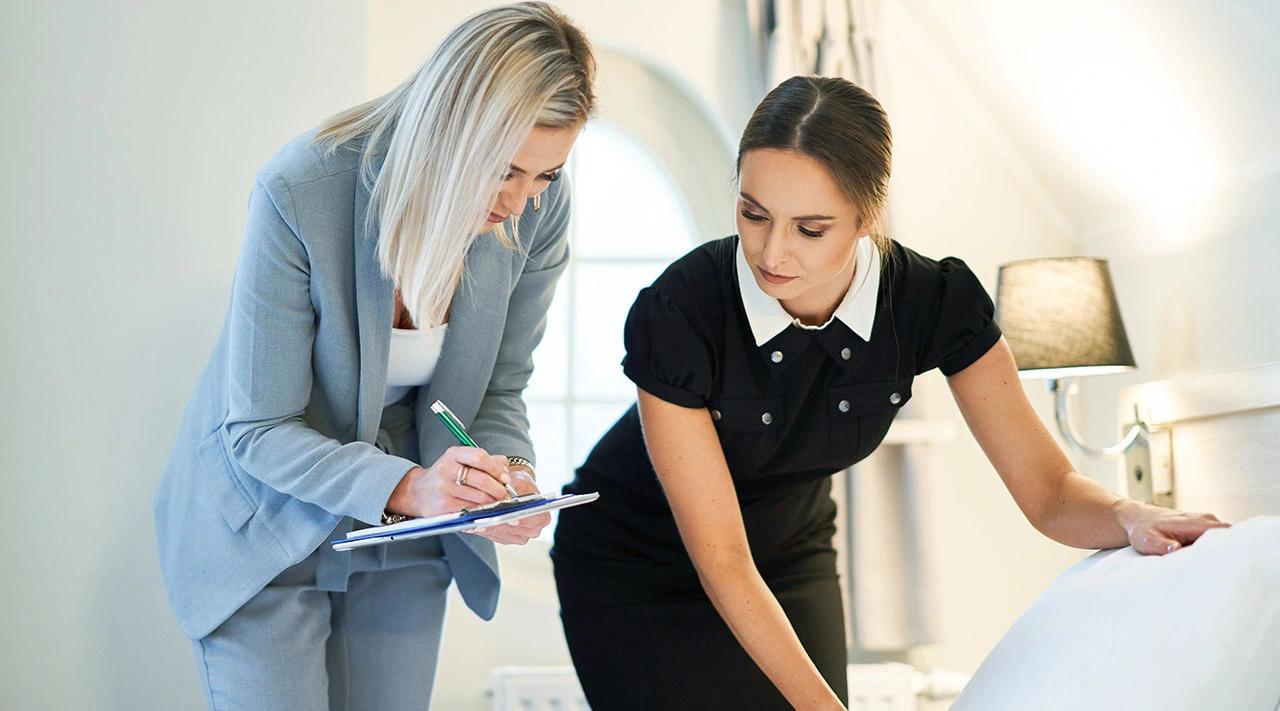
A perfect room is invisible work: there’s no applause for dust that never settles or linens that never wrinkle. Yet GM scorecards live or die on consistency—bed presentation, bathroom shine, minibar accuracy, amenities placed just so. Traditional checks lean on clipboards, memory, and spot audits. They’re fragile in peak hours, vary by supervisor, and generate limited data for coaching or planning.
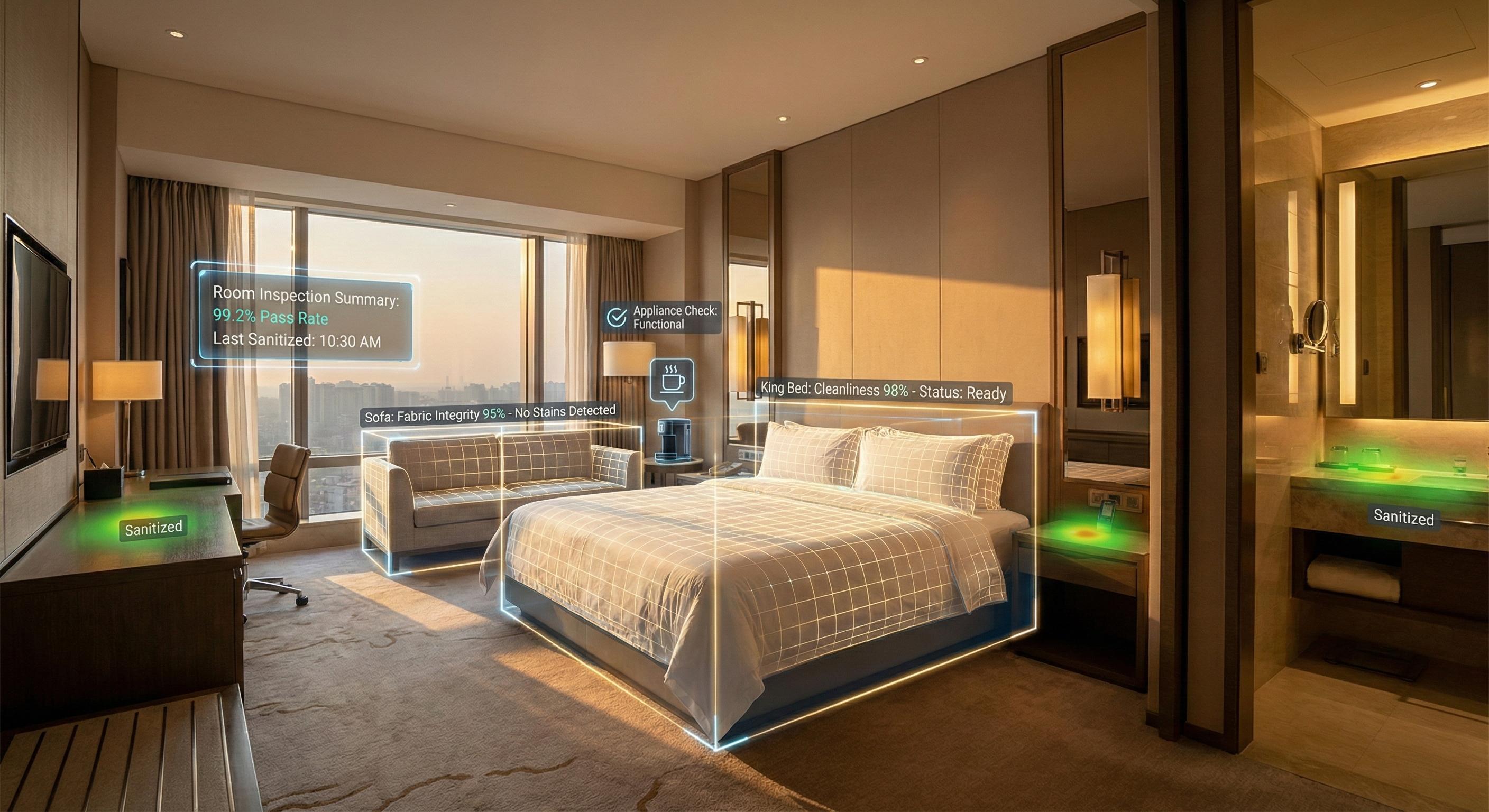
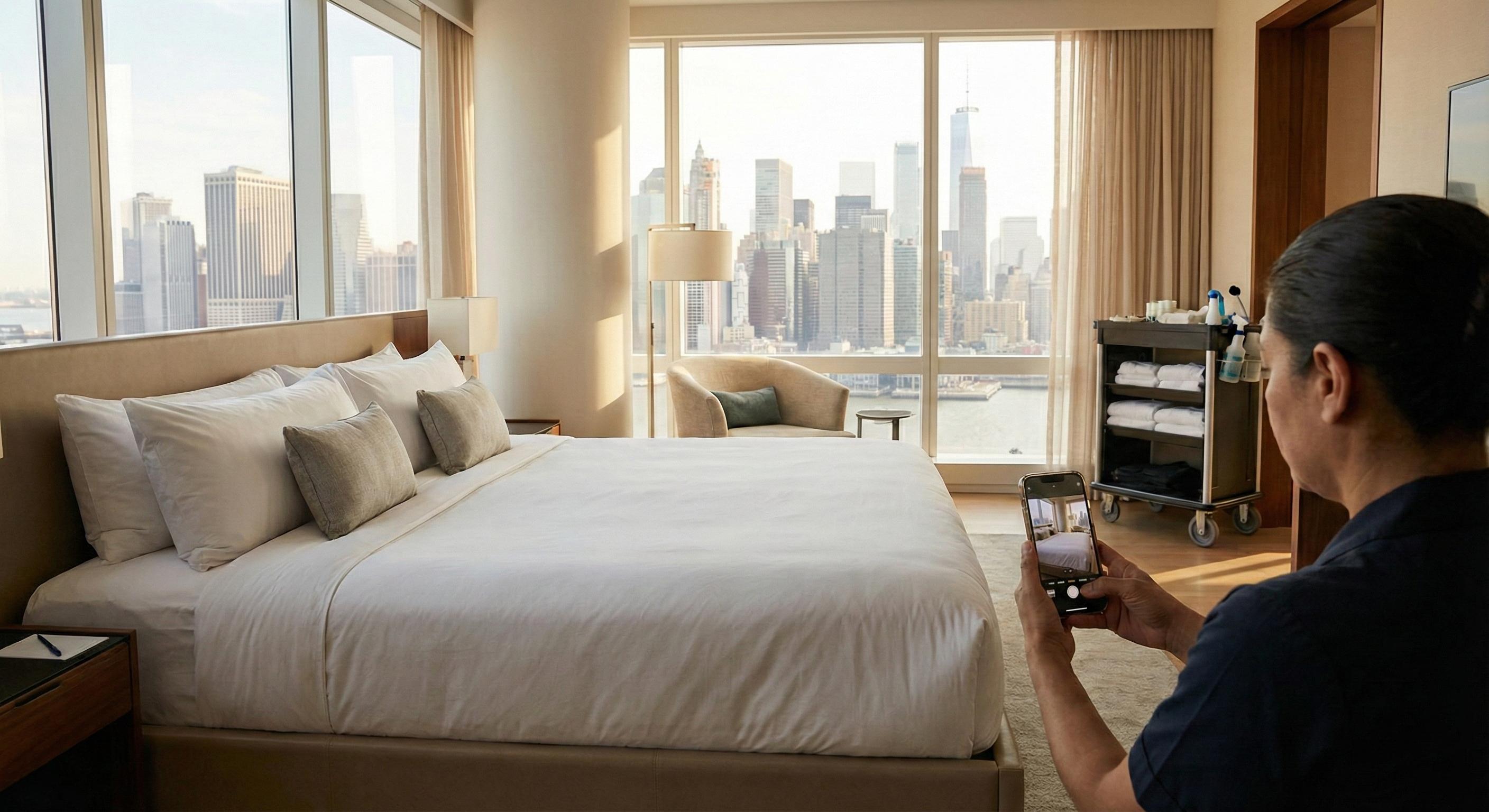
AI-assisted quality checks change the center of gravity. Using computer vision, hotels can capture images of rooms at key moments—post-clean, pre-inspection, pre-handover—and automatically evaluate adherence to standards. That evaluation doesn’t replace supervisors; it makes their attention precise. Supervisors review exceptions, not every room.
What “quality” looks like in data
To measure what we’ve historically eyeballed, we translate standards into a defect taxonomy and positive controls:
- Surface & fixture hygiene: residue on glass, mirror streaks, grout discoloration, sink and faucet sheen. - Bed & linen: sheet tension and alignment, pillow count and placement, duvet orientation, visible creases beyond threshold. - Bathroom setup: towel folds and locations, amenities presence and fill level, tissue alignment. - Minibar & amenity accuracy: item presence by SKU, orientation, and fill; out-of-policy replacements flagged. - Safety & compliance: blocked detectors, balcony latch status, unattended cleaning carts.
Each photo set becomes a scored checklist (e.g., 0–100 with weighted criteria), an exception list with annotated thumbnails, and a training reel for new hires. Over time, patterns emerge: which floors, shifts, or room types drive most rework and why.
How the models work (without the hype)
- Object & layout detection: Models learn “what” and “where”—from towel bars to glass tumblers—under varied angles and lighting. - Defect segmentation: Pixel-level masks highlight residue, lint, or wrinkles beyond calibrated thresholds. - Pose & placement checks: Are pillows mirrored? Is the amenity tray centered to the vanity edge? - Change detection: Compare post-clean vs. pre-handover frames to attribute responsibility (useful for dispute resolution).
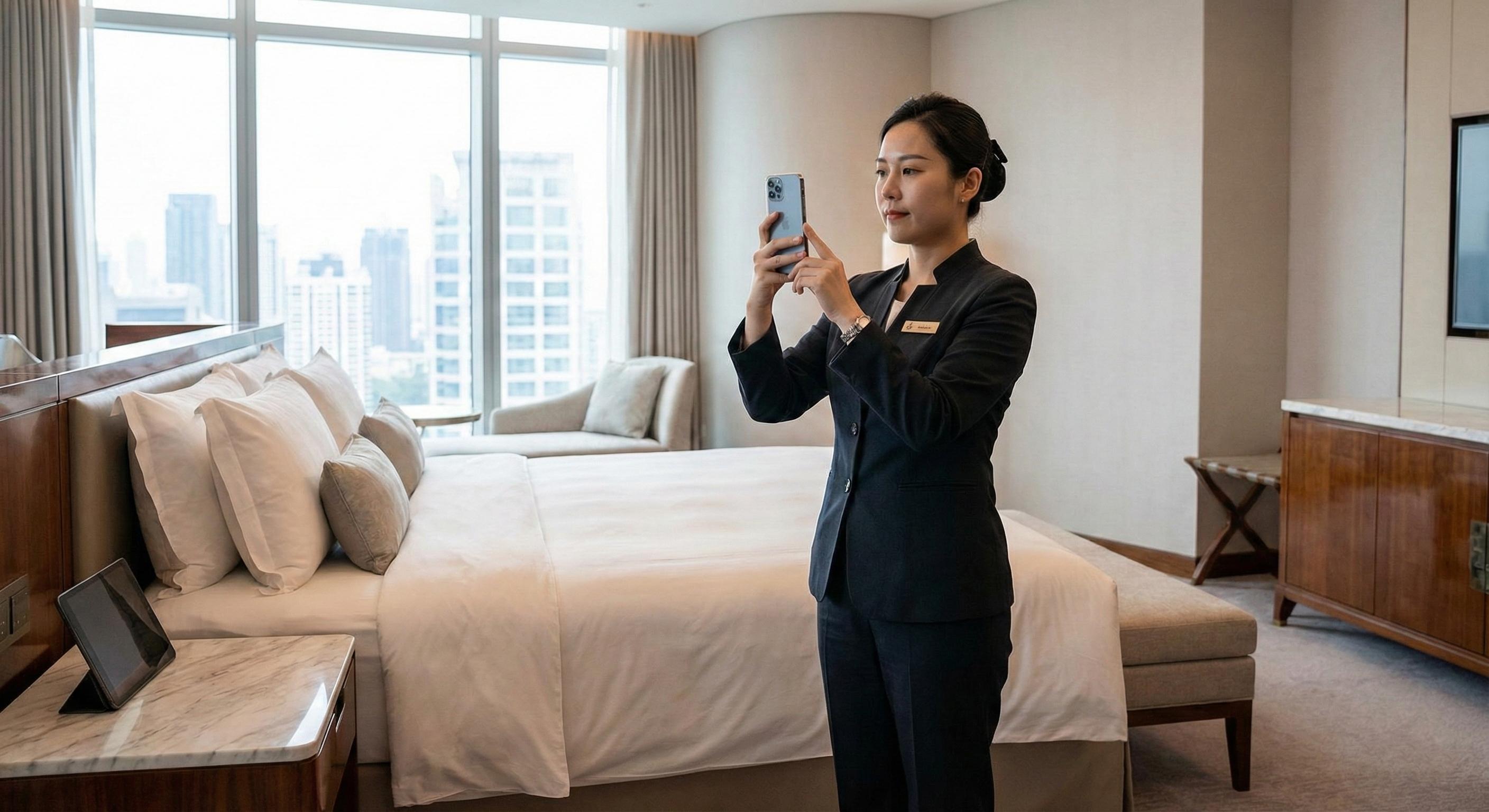
Deployments blend edge capture (on staff phones or cart-mounted devices) with secure cloud inference for heavy models. Hotels keep human-in-the-loop review for sensitive calls and use confidence thresholds to decide when to auto-approve or escalate.
What “good” looks like in operations
- Less rework: Exceptions are found before supervisors walk the floor; teams fix issues in-room. - Shorter turn times with fewer misses: Inspections focus on problem areas, not re-checking perfect rooms. - Coaching data: Side-by-side frames show exactly why a standard failed; new staff ramp faster. - Auditability: Photo trails support guest claims and brand audits.
Where Fari fits—without the sales pitch
Fari sits on top of existing PMS/POS/ERP stacks and brings governed automation where teams already work. Within that suite, Fari Lens applies computer vision to minibar stocktaking, cleanliness checks, and F&B inventory tracking, turning visual processes into structured data that posts, reconciles, and orders.
In a housekeeping context, Lens can:
- Capture images after cleaning and before handover. - Score bed, bath, and amenity standards. - Flag exceptions with annotated frames. - Post tasks back to the PMS/CMMS and track resolution. - Preserve a photo audit for brand compliance and guest disputes.
These are the same principles hotels already use for minibar accuracy—extended to room quality.
Privacy, policy, and people
- Framing & redaction: Capture only what’s needed; blur personally identifiable details if guests are present. - Retention & consent: Align with data-protection rules; keep audit trails for the shortest viable window. - Change management: Start with a small pilot, co-design standards with supervisors, and publish a clear policy on what’s captured and why. Pair the rollout with training and a feedback loop.
Implementation playbook
- Weeks 0–2 – Design & baselining
Map current defects, rework rate, and average turn time. Choose 20–50 rooms, define the defect taxonomy, and set acceptance thresholds.
- Weeks 3–8 – Pilot
Enable capture on cleaning carts, integrate with PMS/CMMS, review weekly exception trends, and adjust thresholds.
- Weeks 9–12 – Scale & standardize
Codify SOP updates, publish coaching reels, and expand property-wide.
Programs that focus on small, durable wins compound into margin and calmer ops; the best ones make people more valuable, not less.
Metrics that matter
- Housekeeping rework rate (defects per 100 rooms) - Average turn time (minutes) - First-pass pass rate (% rooms cleared with no exception) - Guest cleanliness mentions (review/NPS proxy) - Minibar dispute rate (% stays with disputes)
Tie each to baseline and show deltas week over week in one dashboard.
Pitfalls to avoid
- Over-automation: Keep humans in the loop for ambiguous calls. - Model drift: Re-validate after seasonal changes (linens, amenity SKUs, lighting). - Opaque scoring: Make standards visible; show examples of pass/fail frames.
The takeaway
AI-powered housekeeping quality checks don’t replace craftsmanship; they safeguard it. With photo-first audits, explicit standards, and governed automation, hotels can deliver rooms that feel consistently “just so,” even on the busiest days.
Editor’s note: Fari’s platform connects existing systems and brings governed automation to visual workflows like minibar audits and cleanliness checks; Fari Lens is the vision layer, Fari Analytics consolidates performance, and AI orchestrates actions across PMS/POS/ERP, without vendor lock-in.