The Hospitality Labor Shortage: How Fari Lens Uses AI to Unlock Hidden Capacity
Hotels are running fuller than ever with thinner teams than ever. This piece looks at the structural labor shortage in hospitality and how Fari Lens uses computer vision for room inspections and minibar checks to extend housekeeping capacity, protect revenue, and make standards auditable without burning out staff.

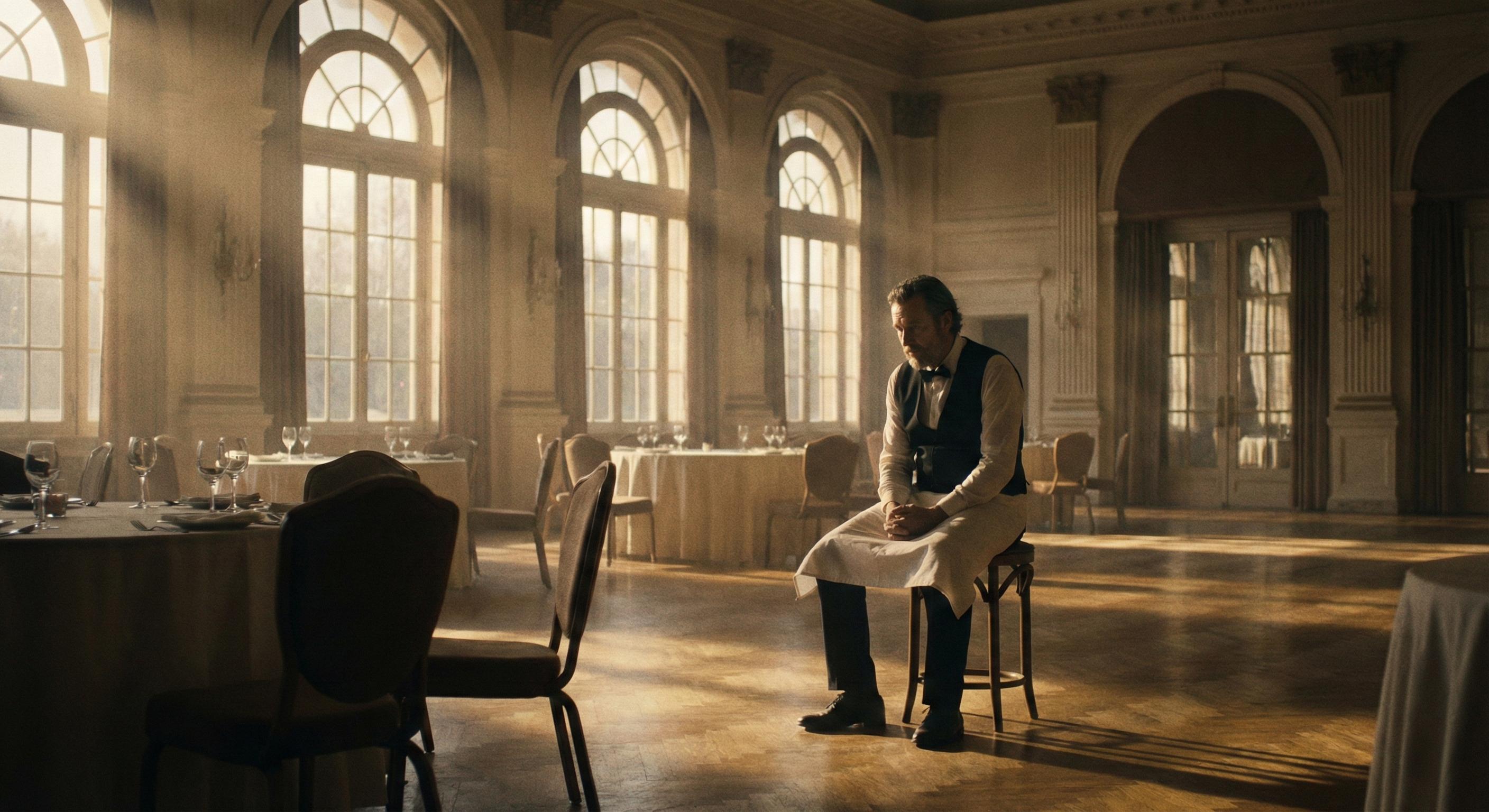
Walk any back corridor of a busy hotel and you can feel the tension between demand and manpower. Occupancy has climbed back to or beyond pre-pandemic norms in many markets, but staffing levels have not. Industry surveys through 2023 to 2025 consistently show roughly two thirds of hotels reporting understaffing, with housekeeping ranked as the hardest role to fill and retain.
This is not a short term blip. It is structural. Aging workforces, shifting worker expectations, and rapid tourism growth have all contributed to persistent shortages in hospitality.
Against that backdrop, the question for operators is no longer “How do we get back to 2019 staffing levels?” but “How do we redesign the work so a smaller team can still deliver on brand standards?”
Computer vision, specifically Fari Lens, is emerging as a practical answer for the most labor intensive and visually repetitive parts of hotel operations: room inspections and minibar checks.
The shape of the labor problem
Demand has largely recovered across major markets, while staffing has lagged. Surveys repeatedly show 65 to 82 percent of hotels reporting shortages in recent years, even after wage increases and flexibility improvements. Housekeeping remains the top gap.
In practice, this creates:
- Compressed room turns
- Deferred minibar checks
- Inconsistent inspection standards
These are structured, visual tasks tied directly to labor hours and revenue protection. That makes them well suited to computer vision.
Why hiring alone will not solve it
Hotels are raising wages and offering bonuses. The shortage persists due to demographics, competition from other industries, and seasonality constraints.
The optimization problem has shifted from headcount to hours of skilled attention available at the guest edge. The only scalable way to increase that attention without adding staff is to remove repetitive manual work from those hours.
Fari’s platform connects PMS, POS, and ERP systems so AI agents can automate routine administrative tasks, delivering 10 to 40 percent labor and administrative efficiencies in benchmark deployments. Fari Lens extends this approach to visual workflows.
What Fari Lens does in a room
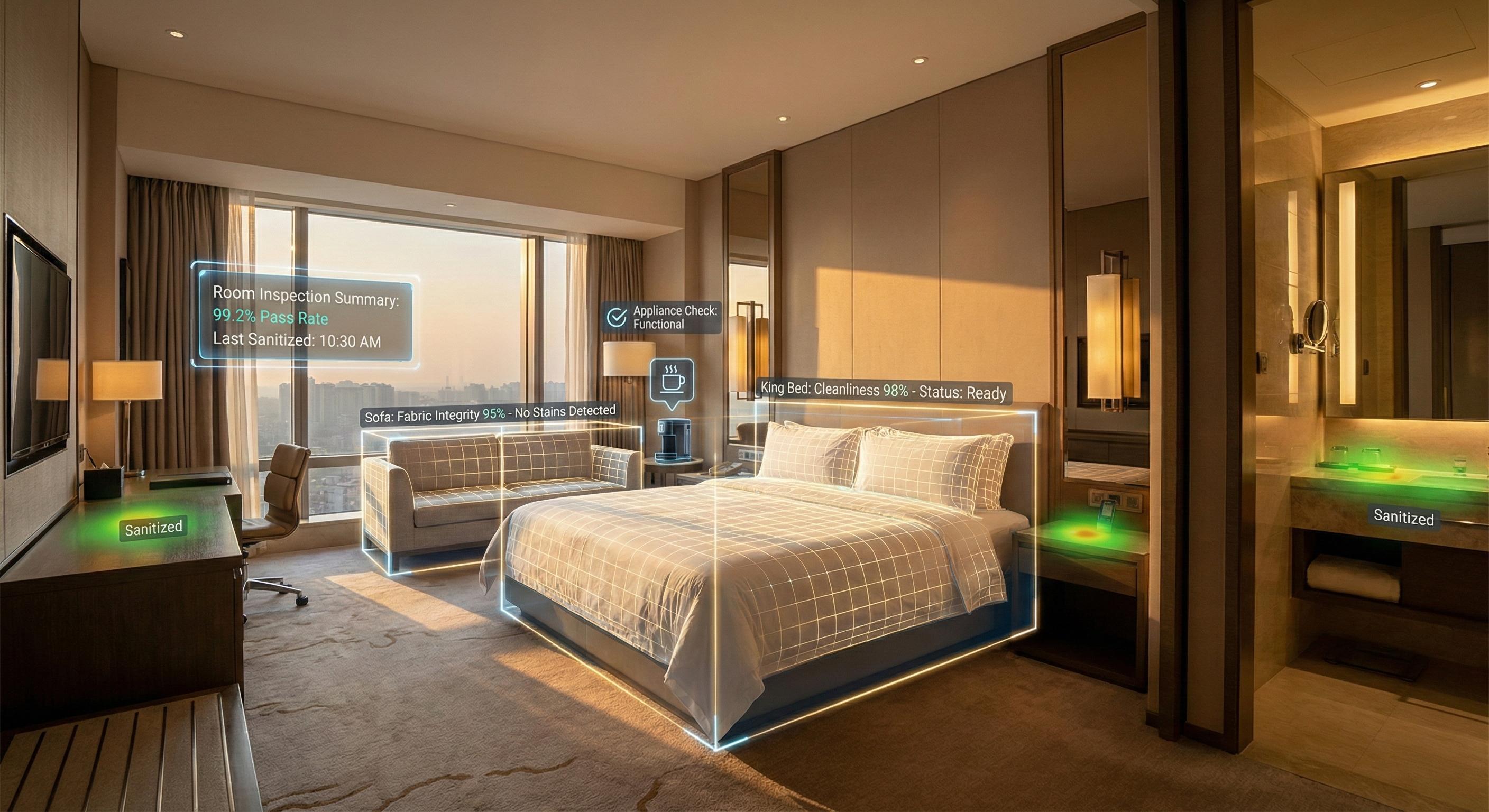
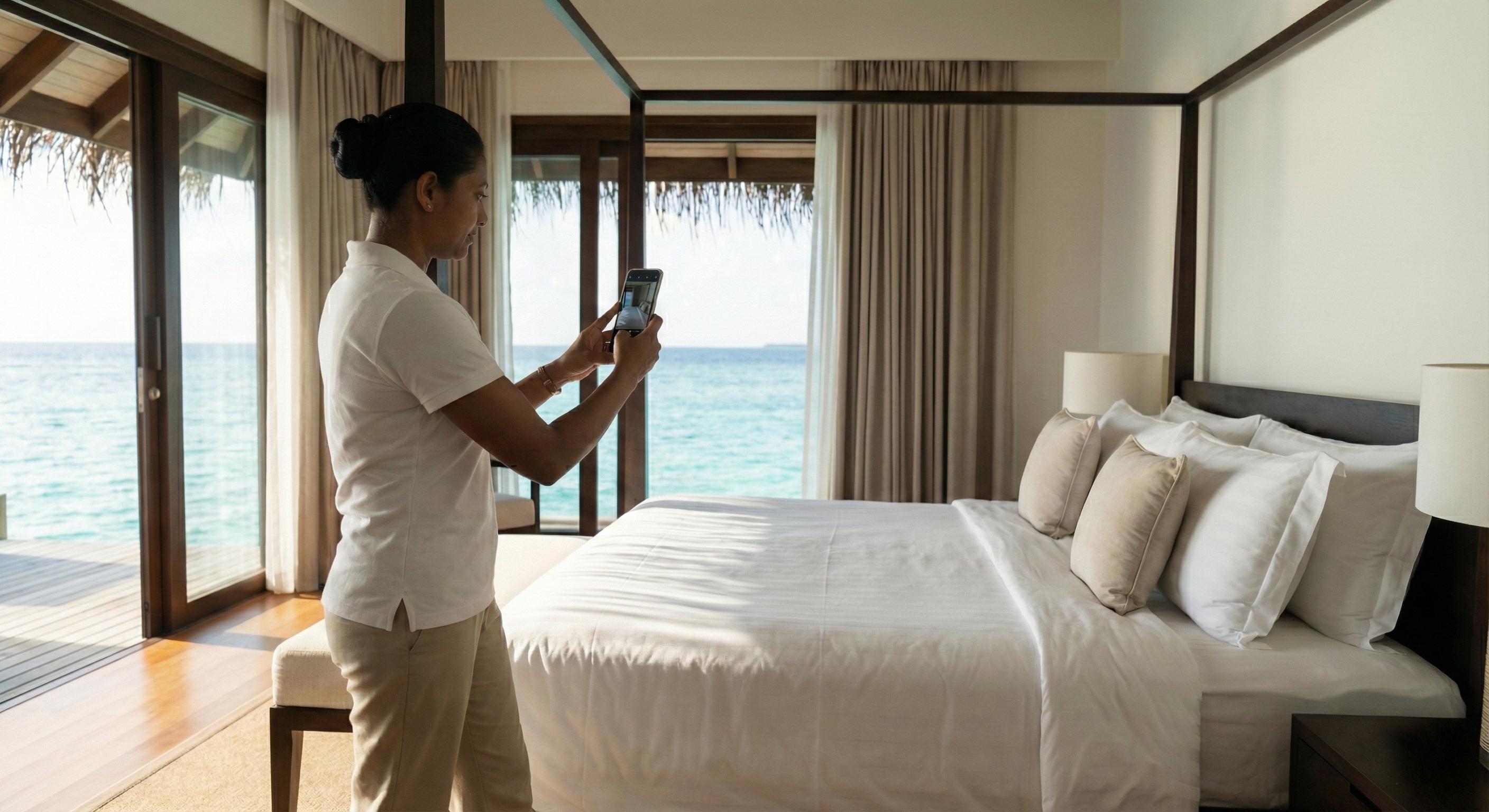
Fari Lens turns a smartphone or tablet into a visual inspection tool. A room attendant follows a guided capture sequence. The system:
- Verifies readiness against brand standards
- Converts checklist items into structured data
- Automatically creates maintenance or housekeeping tasks when issues are detected
Inspection time becomes predictable. Documentation becomes automatic. Supervisors review flagged images rather than physically walking every room.
This allows properties to maintain inspection coverage with fewer dedicated inspectors and redeploy supervisors to higher value work.
Minibar checks under labor pressure
Minibars are often deprioritized when staffing is thin. Checks become inconsistent. Charges are conservative to avoid disputes. Shrinkage rises.
Fari Lens reshapes minibar workflows:
- Staff capture a guided image of the minibar
- The system identifies SKUs and quantity differences
- Variances are structured and can feed into PMS or POS systems
- Restock tasks are automatically generated
The result:
- Lower skill burden on staff
- Timestamped visual audit trails
- Faster, more consistent audits
- Improved revenue capture without increasing headcount
Extending the team, not replacing it
Fari Lens does not eliminate housekeeping roles. It reallocates effort toward:
- Guest interaction
- Complex edge cases
- Continuous quality improvement
By reducing repetitive cognitive load and documentation burden, the system can help reduce burnout and improve retention.
From shortage management to advantage
Labor shortages are likely to persist. Computer vision enables hotels to operate at a higher, more consistent standard with the workforce they have.
Fari Lens provides consistent, data rich inspections and automated minibar reconciliation integrated into the broader Fari operating system.
In a high occupancy, thin margin environment, that is not just an efficiency gain. It is a structural labor strategy.