
The State of Hotel Automation in Dubai: From Smart Check-In to Vision-Led Housekeeping
Dubai’s hotels are becoming test beds for city-scale automation, from biometric check-in and smart rooms to computer-vision housekeeping and minibar audits powered by tools like Fari Lens.

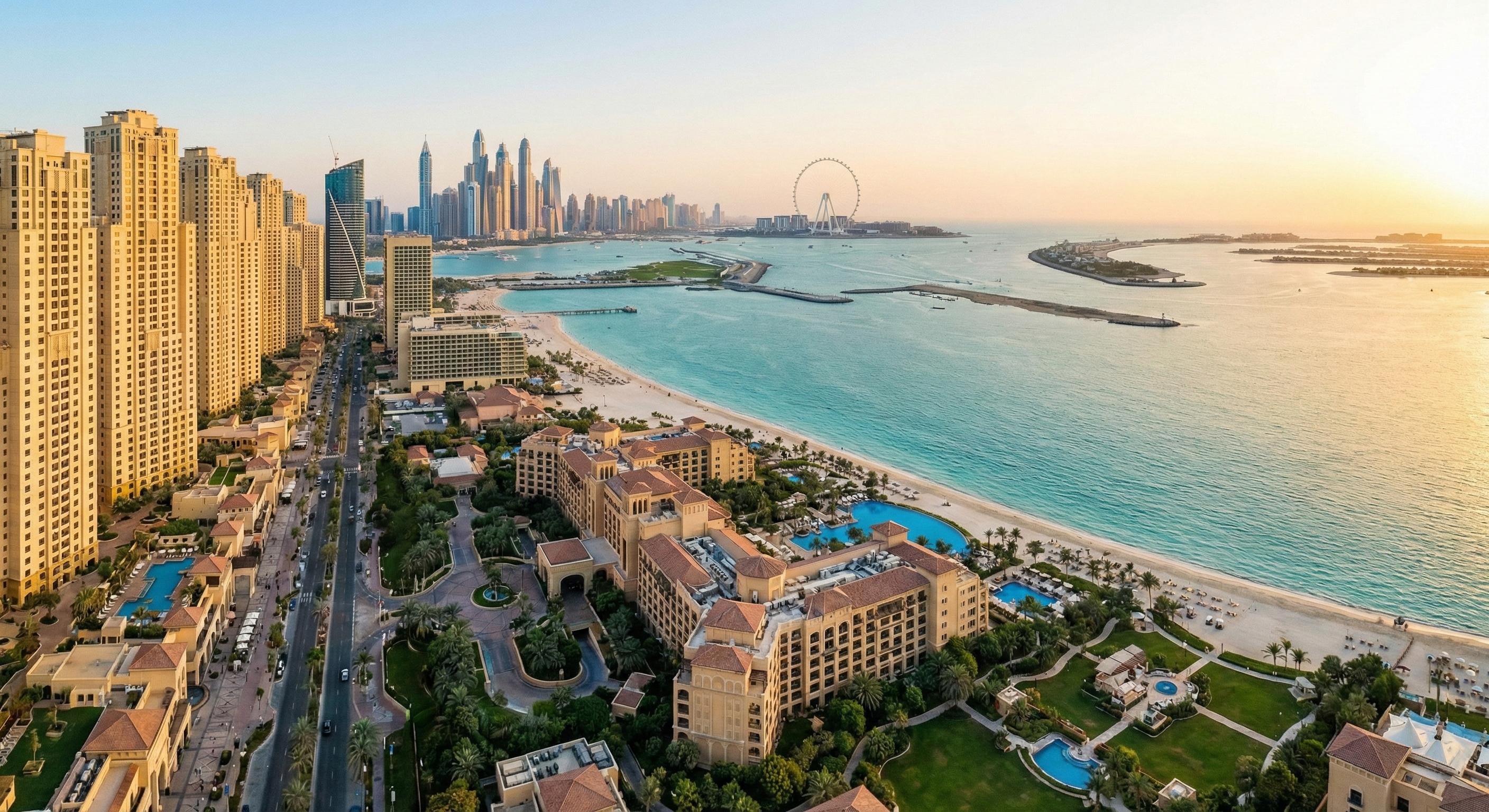
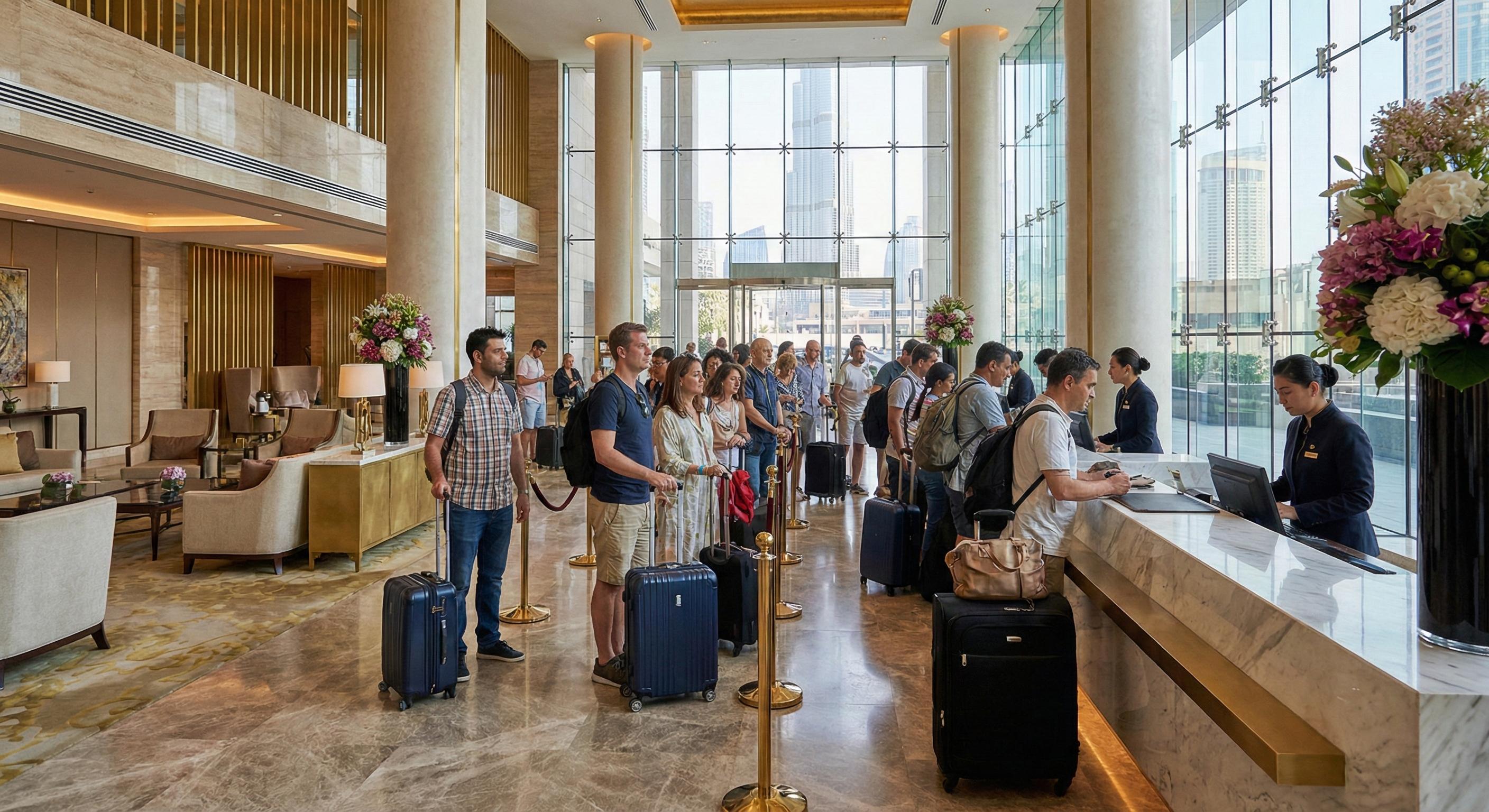
Walk into a new-build hotel in Dubai today and the first thing you notice is not the chandelier. It is the absence of a queue.
Guests arrive with pre-verified digital IDs, glide through biometric kiosks, tap a phone to open the room, and only occasionally speak to a front desk agent. Behind the scenes, cleaning robots roam corridors at night, energy systems tune themselves to occupancy patterns, and housekeeping supervisors audit rooms with cameras instead of clipboards.
Dubai has quietly turned its hospitality sector into a living lab for hotel automation. As the city pushes toward a fully smart urban fabric, hotels are both beneficiaries and contributors, experimenting with AI, robotics, and computer vision in ways that would be difficult to scale in more fragmented markets.
This piece looks at where Dubai’s hotels actually are on the automation curve: what’s mature, what’s still experimental, and why the next big gains are likely to come from unglamorous but critical workflows like housekeeping inspections and minibar control, increasingly handled by computer-vision systems such as Fari Lens.
1. Why Dubai Became a Natural Testbed for Hotel Automation
Few cities have aligned incentives for hotel automation as clearly as Dubai:
- A tourism-centric economy. Tourism and hospitality are central pillars of Dubai’s growth strategy, pushing hotels to differentiate on both luxury and efficiency.
- Aggressive smart-city agenda. Initiatives under Digital Dubai and Dubai’s AI roadmap have created shared digital infrastructure, identity, payments, data exchange, that hotels can plug into rather than build alone.
- Citywide digital hotel check-in. Dubai authorities approved digital hotel check-in as a primary channel across hotels and holiday homes, backed by national digital identity and biometric verification.
For hotel owners, this combination changes the calculus. Automation is not just a way to shave minutes off check-in; it is increasingly an expectation, reinforced by regulators, investors, and guests who already use facial recognition at airports and digital wallets everywhere else.
At the same time, Dubai’s labour market is tightening for mid-skill roles, and luxury guests expect fast, hyper-personalised service. Automating repetitive, rules-based work is less about replacing people and more about redeploying them to higher-value interactions: upselling suites, resolving complex issues, or orchestrating multi-property stays.
2. What’s Already Automated: Guest Journeys, Smart Rooms, and Robotics
2.1 Contactless journeys as the default
Across the UAE, hotels have widely adopted AI-powered chatbots and messaging assistants to handle pre-arrival questions, bookings, and basic service requests in multiple languages. These bots now handle the majority of routine guest inquiries, freeing staff for more complex interactions.
In Dubai, these tools sit on top of a city-level stack:
- Guests can complete check-in online, upload ID once, and arrive to a digital key rather than a paper registration card.
- Facial recognition at the property can validate identity against government-approved systems, reducing manual document checks and fraud risk.
- Many properties are experimenting with fully unattended arrivals for repeat guests, keeping staff in the lobby as concierges and problem-solvers rather than gatekeepers.
The effect is not only cosmetic. Removing friction at check-in reduces queue-related complaints, smooths peak arrival periods, and lets hotels operate with leaner front-desk staffing during shoulder shifts.
2.2 Smart rooms and energy management at scale
Behind the guest-facing glamour, some of the most impactful automation in Dubai is invisible:
- IoT-connected thermostats, presence sensors, and smart lighting cut energy use when rooms are empty.
- PMS-integrated control systems automatically switch rooms from eco to comfort mode a set time before arrival, ensuring a cool, lit room without wasting hours of conditioning.
- Analytics platforms give engineering teams live views of consumption by floor, room type, and segment.
For owners financing high-rise towers in Dubai Marina or Business Bay, these savings feed directly into NOI, especially when tariffs fluctuate and sustainability credentials influence both brand standards and corporate RFPs.
2.3 Robotics, cleaning, and back-of-house automation
Robots are no longer just a gimmick. Middle East hotels, including those in Dubai, are piloting and scaling:
- Cleaning robots that vacuum or scrub public spaces overnight, guided by LIDAR and mapped routes.
- Delivery robots for amenities and in-room dining, rolling from service elevators to guest doors with minimal human supervision.
- Computer-vision waste tracking in kitchens to analyse discarded food and adjust production, cutting waste and associated costs.
These initiatives align with broader regional trends in automated cleaning and smart facilities management, amplified by Dubai’s investment in AI command hubs that orchestrate inspections, cleaning, and maintenance in real time.
3. The Automation Gap: Housekeeping Inspections and Minibar Control
Despite all this progress, two of the most labour-intensive and error-prone workflows in Dubai hotels remain surprisingly manual:
- Housekeeping inspections
- Minibar management
Both are visual tasks traditionally handled with human observation and checklist apps.
3.1 Housekeeping reality in a 300-key Dubai tower
Imagine a 300-key upscale hotel off Sheikh Zayed Road:
- Average occupancy above 80 percent.
- Room types ranging from standard kings to duplex suites.
- Brand standards requiring dozens of checks per room.
Room attendants clean 14 to 18 rooms per shift. Supervisors perform spot checks because they cannot realistically inspect every room. Notes on defects are scattered across messaging apps and generic task tools.
The result is variability. Small misses subtly drag down review scores over time.
3.2 Minibars: small fridges, big leakage
Minibars in Dubai are tricky to run:
- Premium products.
- Frequent room moves.
- Revenue dependent on accurate low-ticket item billing.
Manual counting leads to shrinkage, missed rooms, and billing disputes.
4. Computer Vision as an Operating System for Visual Work
Instead of relying purely on human memory, hotels can:
- Capture structured images.
- Let AI models detect anomalies or consumption.
- Automatically sync results into PMS or POS systems.
4.1 Vision-led housekeeping inspections
Supervisors take structured photos. A system like Fari Lens analyses them, flags missing items or visible issues, and generates a digital inspection record.
For example:
- Missing bathrobe flagged in a suite.
- Amenity tray incomplete.
- Automatic follow-up tasks generated with timestamps and image audit trail.
Over time, data reveals patterns across floors, room types, and shifts.
4.2 Minibar automation
Attendants photograph the minibar interior. The system detects SKUs and compares them to the planogram.
Outputs include:
- Item-level deltas.
- Suggested PMS charges.
- Variance alerts.
This reduces audit time dramatically and lowers shrinkage while improving dispute resolution through timestamped image records.
5. A Day in an Automated Dubai Hotel
Morning: cleaning robots finish corridors; minibar charges already reconciled. Midday: vision-assisted inspections increase coverage. Afternoon: replenishment routes optimized. Evening: staff focus on VIP arrivals and guest experiences.
Technology fades into the background while service quality rises.
6. Constraints and Considerations
Data protection
Biometric and AI systems require clear governance and compliance with UAE regulations.
Workforce adoption
Tools must be positioned as assistants, not surveillance.
Integrations
Automation layers must integrate cleanly into PMS, POS, and CMMS stacks.
7. Where Dubai Goes Next
Digital check-in is now the baseline. The next competitive edge lies in automating visual work and blending human hospitality with machine precision.
In a city defined by spectacle, the quiet revolution is happening behind service doors and in minibar fridges, where intelligent systems like Fari Lens turn everyday operational friction into measurable, auditable performance gains.
Explore Fari Lens
Continue Reading
Case Studies
Red-Eye Arrivals, Noon Check-Out: Fixing Dubai Check-In Bottlenecks With Computer-Vision Housekeeping

Case Studies
The Current State of Housekeeping, and How it Can Be Rewritten using Computer Vision
Case Studies